The first FCC robot approvals are out. What they mean for foreign-made home robots
ANSCER's warehouse robots cleared the new FCC process; your existing robot is fine, but new foreign models face a slower road.
Conditional Approval is a transitional authorization tied to ongoing U.S.-manufacturing and reporting commitments, and is distinct from a standard, unconditional FCC equipment authorization.ANSCER Robotics press release, 2026-09-18
What they said
On 18 September 2026 ANSCER Robotics, an autonomous mobile robot maker headquartered in Bengaluru, India, announced that three of its warehouse robots, the AR250, AR650 and AR1250, have been granted Conditional Approval by the FCC, effective the same day. ANSCER says the listing places it "among the first robotics companies, alongside Husqvarna, to appear in the FCC's robotic-device conditional approvals."
Its US subsidiary's CEO, Ribin Mathew, said customers "can move forward with confidence that ANSCER's AMRs are cleared for continued deployment here." The release describes Conditional Approval as "a transitional authorization tied to ongoing U.S.-manufacturing and reporting commitments," distinct from a standard FCC equipment authorization. Robotics 24/7 carried the same announcement.
This is a small release about warehouse carts. We are decoding it because it is one of the first public looks at how the FCC's July robot rule works in practice.
What is verified
The rule itself is well documented. On 28 July 2026 the FCC added foreign-produced "advanced robotic devices" to its Covered List. The International Federation of Robotics says the list covers mobile, ground-based robots with sensors and connectivity, "encompassing service robots, autonomous mobile robots (AMRs), humanoids, and quadrupeds," and that the test is where a robot is made, not where the company is based. A US company building robots overseas is covered too.
Law firm K&L Gates reads the definition as a mobile device over 4.4 lb (2 kg) with sensors, network connectivity and autonomous control software, and notes the FCC confirmed that "robot vacuums and robot lawn mowers are included if they meet the definition." It also reports that previously authorized foreign-produced robots "may continue to be produced, marketed, imported, and used unless the FCC acts further." IEEE Spectrum reports the same: robots already certified are not restricted for sale or use.
According to Morgan Lewis, only the Department of War can grant a Conditional Approval for robots, and applications are due by 1 January 2028. ANSCER's release confirms that approvals are now being granted and published, and that at least two companies have them.
What is missing
- The criteria. ANSCER does not say what it had to promise. IEEE Spectrum reports that applicants must supply a time-bound plan to build or expand US manufacturing, plus ownership and supply-chain disclosures. How much US manufacturing is enough, and on what deadline, is not public for ANSCER.
- The full list. The release names Husqvarna, but we have not seen which Husqvarna products are covered. Husqvarna sells robot lawn mowers to homeowners, which would make it the first clear consumer-robot case. We are treating that as unconfirmed until the product list is public.
- Humanoids. Neither company makes humanoids or quadrupeds. We have seen no public Conditional Approval for a new foreign-made humanoid.
- Updates to older robots. K&L Gates says only minor software changes are allowed on previously authorized models, and hardware changes need a separate waiver. Makers have not said how this affects future updates to robots people already own.
What it means for a home robot
For owners, the short version holds: if your robot was authorized before 28 July 2026, you can keep using it, and stores can keep selling that model. That covers the foreign-made humanoids and robot dogs on sale today that were approved before the cut-off.
The change is for new models. A next-generation robot built outside the US, whether a humanoid from China or a robot mower from Europe, now needs a Department of War Conditional Approval before it can be authorized for sale here. ANSCER shows that path exists and that a non-Chinese maker with a US subsidiary and a manufacturing plan can get through it. It says nothing yet about whether a Chinese humanoid maker can.
In practice, expect new foreign-made home robots to reach US shelves later than they reach other markets, and expect "Conditional Approval" to start appearing in spec sheets. We will track approvals on each robot's page as the FCC publishes them.
We labeled this story Shipped — Customers have it. How we label claims
Sources
- ANSCER Robotics secures FCC Conditional Approval for its AR250, AR650, and AR1250 autonomous mobile robots18 Sep 2026
- ANSCER Robotics secures FCC Conditional Approval for three AMRs18 Sep 2026
- FCC restrictions on foreign-produced advanced robotic devices7 Aug 2026
- FCC adds foreign-produced advanced robotic devices to the Covered List: five things to know3 Aug 2026
- FCC adds foreign-produced advanced robotic devices and power inverters to Covered List, opens Conditional Approval processAug 2026
- FCC Covered List bans new foreign mobile robots in USAug 2026
Robots in this story
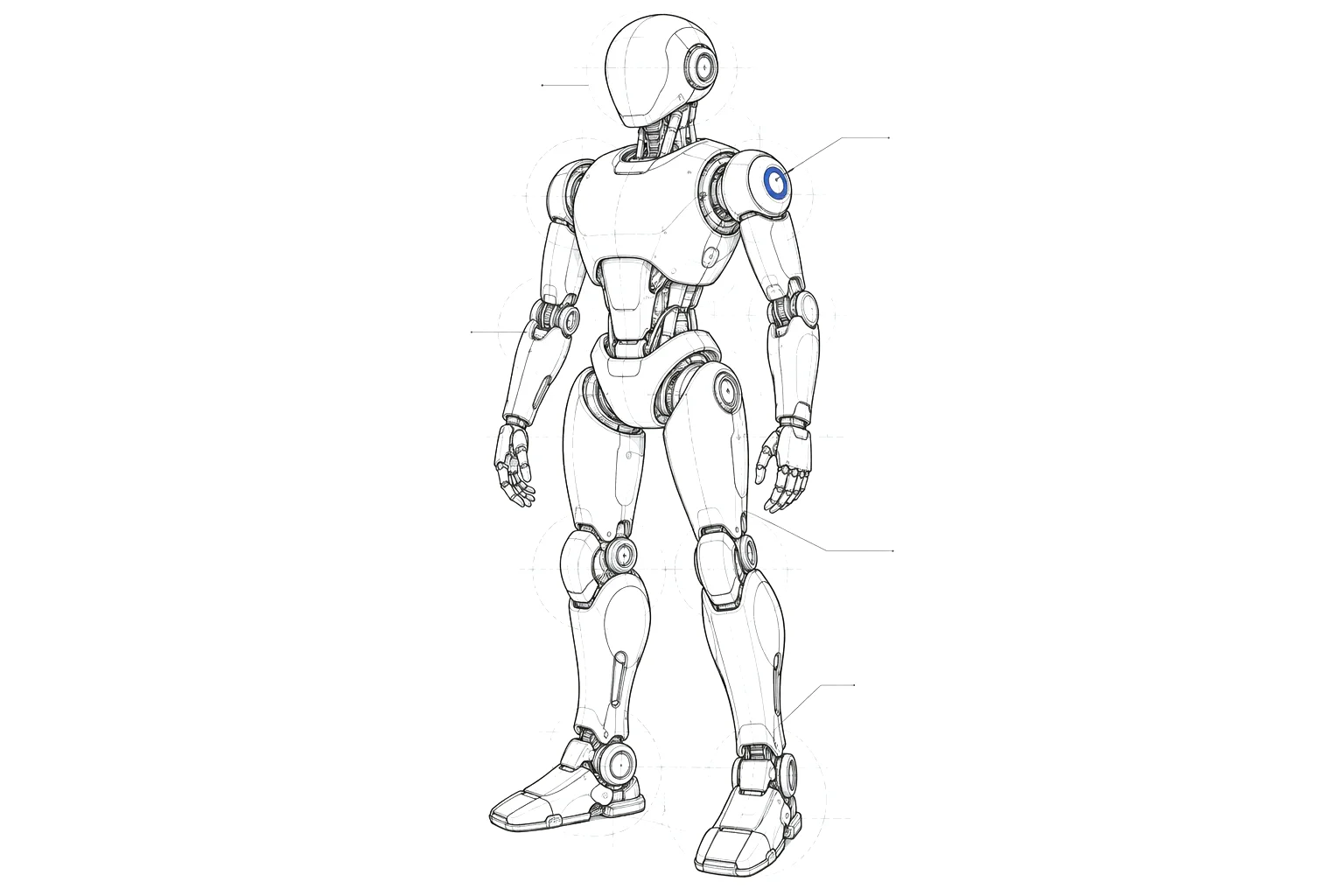
G1
- Height
- 1.32 m
- Weight
- 35 kg
- Payload
- 2 kg
- Runtime
- 2 h
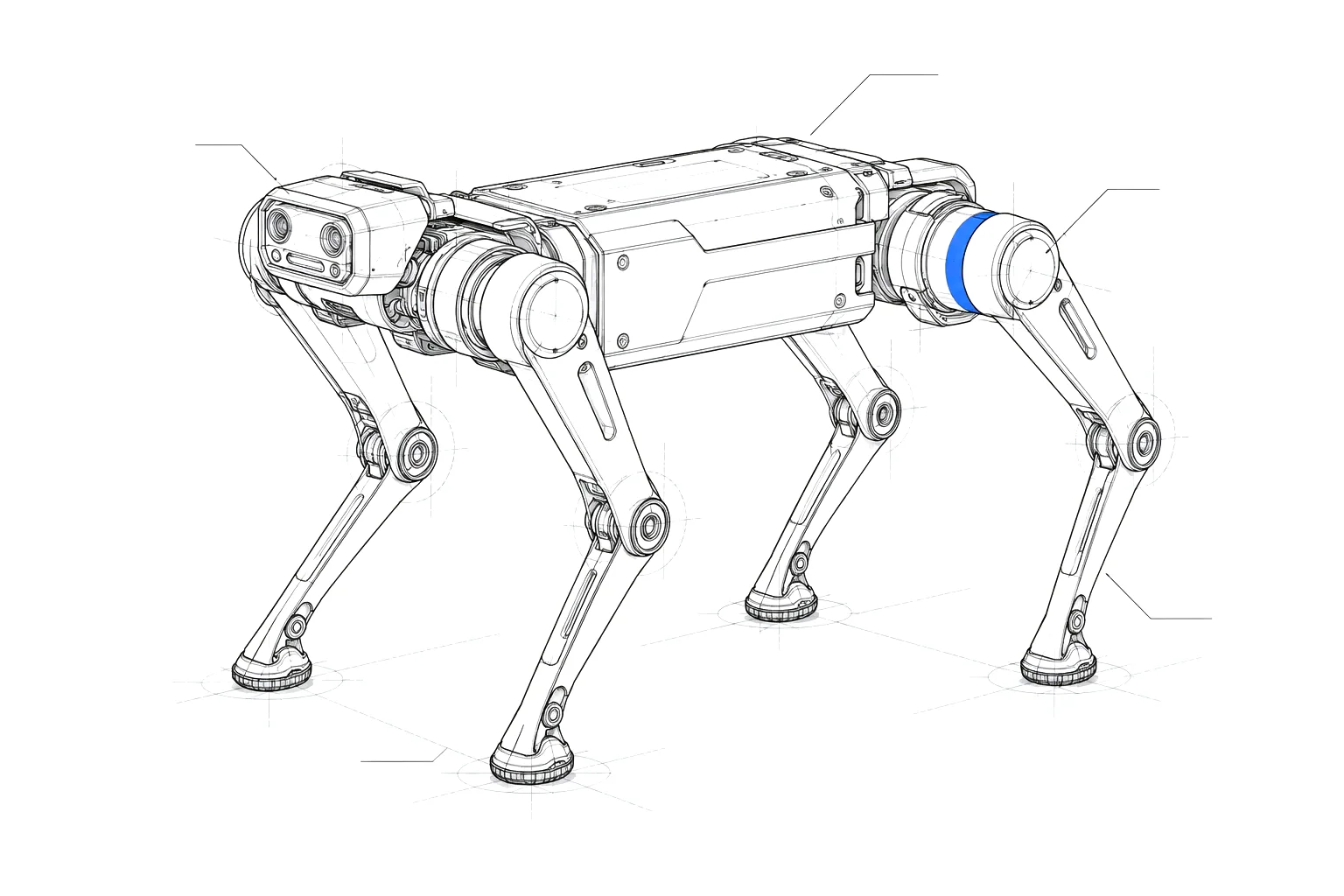
Go2
- Height
- 0.4 m
- Weight
- 15 kg
- Payload
- 7 kg
- Runtime
- 1 h
R1
- Height
- 1.23 m
- Weight
- 27 kg
- Payload
- 2 kg
- Runtime
- 1 h
IRON
- Height
- 1.78 m
- Weight
- 70 kg
- Payload
- —
- Runtime
- —