Gemini Robotics 2 drives a whole humanoid, and DeepMind published the scorecard
Google DeepMind's new robot models let Apptronik's Apollo 2 walk, crouch and grasp, with floor pickups succeeding 45.7% of the time.
While our robots have more to advance in movement speed, this is an important step towards the skills needed to complete more complex, real-world tasks that require whole-body coordination.Google DeepMind blog, 2026-07-30
The result
Google DeepMind released Gemini Robotics 2 on July 30, 2026: a family of three AI models for robots. The headline is whole-body control. In DeepMind's words, it is "teaching robots intelligent whole-body control, fine dexterity, and teamwork," from feet to fingertips, so a humanoid can walk, crouch and reach while it handles things.
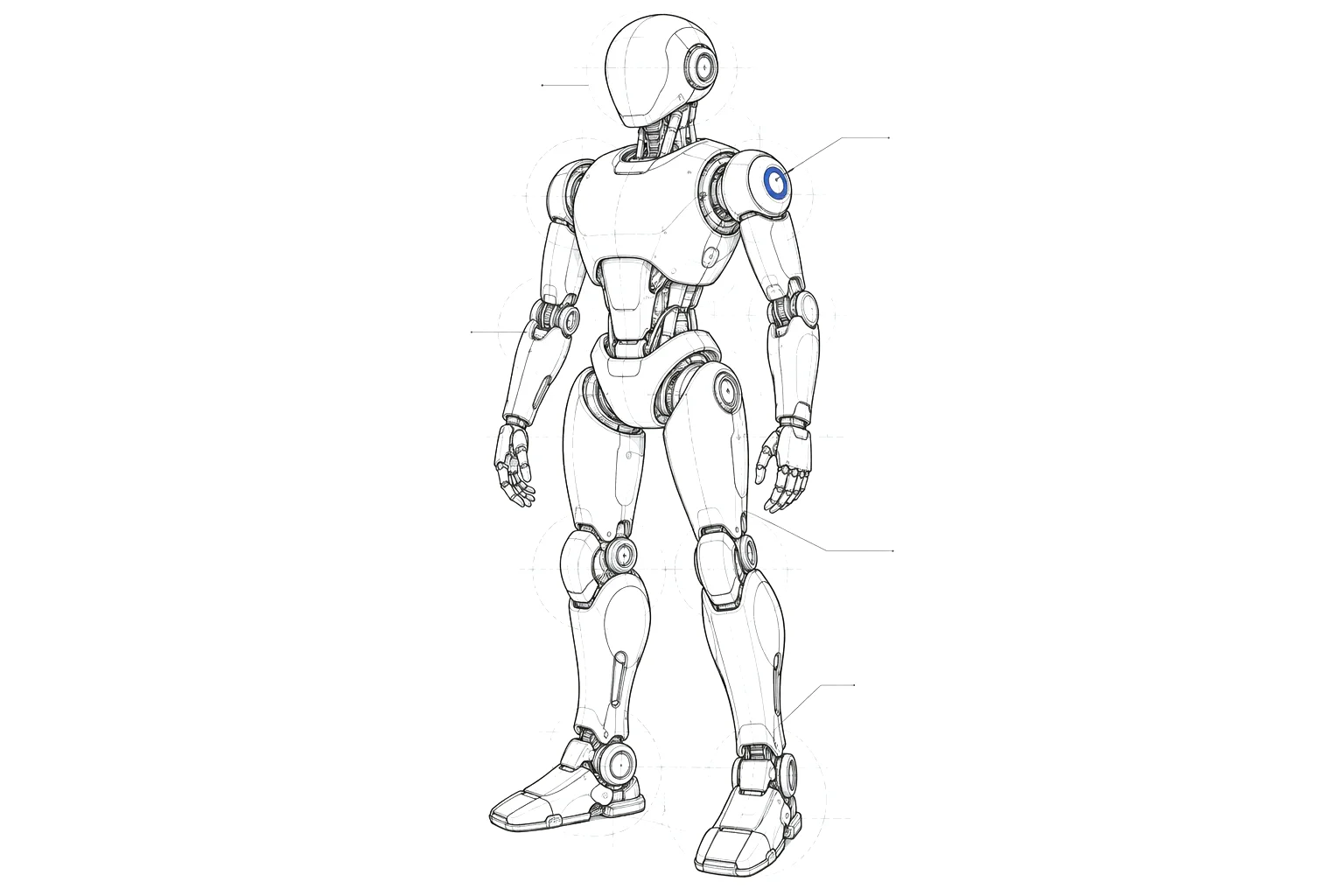
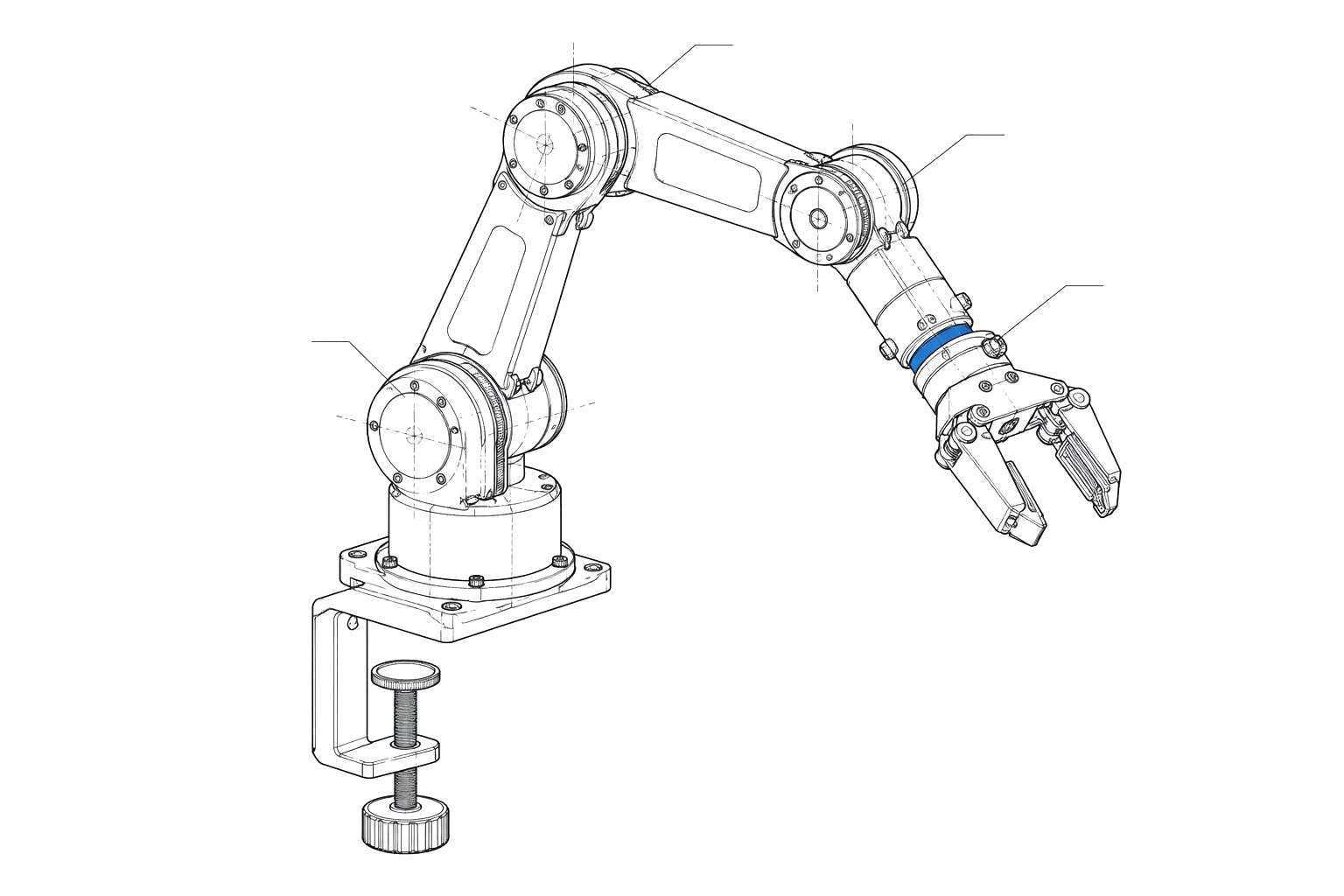
DeepMind showed this on Apptronik's Apollo 2 humanoid, which it says can now "walk, crouch, stretch, and manipulate objects to clean up a cluttered room." It also ran the model on two-armed robots, including a Franka Duo, and on the low-cost SO101 arm.
Unusually, DeepMind published task-by-task success rates. On Apollo 2 with Inspire hands:
- Picking something up from a table: 68.4%
- Picking something up from a shelf: 76.3%
- Picking something up from the floor: 45.7%
On Apollo 2 with the five-fingered, 22-degree-of-freedom SharpaWave hand, unscrewing a light bulb succeeded 92% of the time and tying a trash bag 44% of the time.
How it works (plain words)
Gemini Robotics 2 is really three models with different jobs.
- Gemini Robotics 2 is the "hands and feet" model. It takes in camera images and a spoken or typed instruction, and outputs motor commands. DeepMind's example is asking Apollo 2 to "put the watering can into the green bin in the bottom shelf."
- Gemini Robotics ER 2 is the planner. Google calls it "a high-level brain for robots." It watches live video, breaks a job into steps, tracks whether each step is done, and can coordinate more than one robot in the same space.
- Gemini Robotics On-Device 2 is a smaller version that runs on the robot itself. DeepMind says it can adapt to a new robot body with "just a few hours of data."
The split matters. A planner that understands "clean up this room" is not the same skill as a controller that can close five fingers around a mug without dropping it. DeepMind is building both and letting one direct the other.
What it means for a home robot
The floor number is the one to watch. Almost everything that makes a home messy ends up on the floor: shoes, toys, laundry, a dropped fork. A humanoid that can bend down and pick things up is the main reason to want legs instead of a wheeled base with arms. At 45.7%, floor pickups work a bit less than half the time, and it is useful to see that written down rather than hidden behind a highlight reel.
The dexterity results point the same way. Unscrewing a bulb worked 92% of the time. Tying a trash bag, a task every household does weekly, worked 44% of the time. Soft, floppy things are still hard.
The On-Device model matters for privacy and reliability. A home robot that must send every camera frame to a data centre stops working when the Wi-Fi drops, and puts your living room on someone else's server. A capable local model is a prerequisite for a robot we would recommend.
Finally, DeepMind is a model supplier, not a robot maker. If Gemini Robotics becomes the "Android" of robot brains, the home humanoid you eventually buy may come from a company you have never heard of, running Google's model underneath.
Caveats
These are lab results on DeepMind's chosen tasks, with numbers DeepMind measured. DeepMind says itself that "our robots have more to advance in movement speed," and that it is "continuing to advance the level of precision and speed to achieve human-level dexterity." A 44% trash-bag score is a fair measure of how far that still is.
Access is limited too. The ER 2 planner is available to developers through the Gemini API and Google AI Studio. The VLA and On-Device models are for early-access partners who apply. Apollo 2 is not a product you can order for your home.
DeepMind also introduced ASIMOV-Agentic, a new benchmark for safety in robots that plan and act on their own, and calls this "our safest robotics model to date." We welcome a published safety benchmark. We would like to see outside groups run it.
We are labelling this Research. It is the clearest public scorecard yet of what a general robot brain can do with a full humanoid body, and it shows how far there is still to go.
We labeled this story Research — A lab result, not a product. How we label claims